 Skip to content

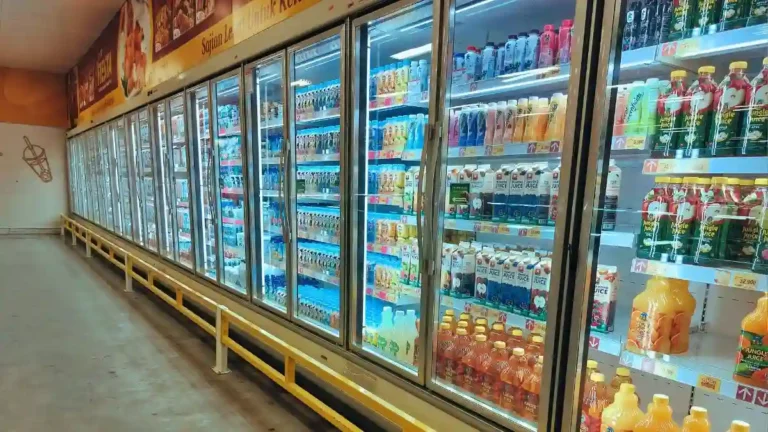
The FMCG Wholesale Europe market plays an essential role in keeping supermarkets, convenience stores, retailers, hospitality businesses, wholesalers, and distributors supplied with products consumers purchase every day.
Fast-moving consumer goods cover an enormous range of everyday essentials. Beverages, coffee, tea, snacks, baby care products, frozen foods, household goods, personal care products, and many other frequently purchased items all form part of the FMCG sector.
For businesses operating in Europe, finding the right wholesale partner can directly influence product availability, purchasing costs, inventory efficiency, and customer satisfaction.
IFT Wholesale works with businesses looking for dependable access to quality FMCG products and recognised brands. By providing a broad product portfolio and professional B2B wholesale service, we help retailers and distributors simplify sourcing while responding to changing consumer demand.
This complete guide explains how FMCG Wholesale Europe works, what businesses should consider when selecting suppliers, which product categories offer important opportunities, and how retailers and distributors can develop a more reliable wholesale sourcing strategy.
What Does FMCG Wholesale Mean?
FMCG stands for Fast-Moving Consumer Goods.
These are products that generally sell quickly and are purchased frequently by consumers. Unlike expensive products that may be purchased only occasionally, FMCG products typically move through retail inventories at a much faster rate.
Common examples include:
- Beverages
- Coffee and tea
- Snacks
- Confectionery
- Baby care products
- Frozen foods
- Personal care products
- Household essentials
- Packaged foods
- Everyday consumer goods
The role of FMCG wholesale is to connect manufacturers, brand owners, suppliers, retailers, distributors, and other businesses throughout the supply chain.
Wholesalers typically purchase goods in commercial quantities and supply them to other businesses rather than selling individual products directly to end consumers.
Why FMCG Wholesale Is Important in Europe
Europe represents a large and diverse consumer market. Businesses operating across different European countries must respond to varying customer preferences while maintaining competitive pricing and reliable product availability.
This makes an efficient wholesale supply network extremely important.
A dependable FMCG Wholesale Europe partner can help businesses access multiple product categories without having to establish separate sourcing relationships for every individual product.
This can benefit:
- Independent retailers
- Supermarkets
- Convenience stores
- Discount retailers
- Wholesale distributors
- Hospitality businesses
- Online retailers
- Importers
- Exporters
- Food service businesses
For these companies, reliable sourcing is not simply about finding products. It is about ensuring that the right products can be obtained at commercially viable prices and in quantities appropriate for the business.
How FMCG Wholesale Europe Works
The FMCG supply chain can involve several different organisations before a product reaches the final consumer.
A simplified structure may include:
Manufacturer → Supplier or Wholesaler → Distributor or Retailer → Consumer
The exact structure varies depending on the brand, product, market, and distribution arrangement.
A wholesale company may source products from manufacturers, established suppliers, or authorised distribution networks before making them available to commercial customers.
Retailers and distributors then purchase the products according to their inventory and market requirements.
Because FMCG products move quickly, efficiency throughout this process is extremely important.
Businesses need to consider:
- Product availability
- Wholesale pricing
- Order quantities
- Brand demand
- Product shelf life
- Storage requirements
- Logistics
- Documentation
- Delivery planning
- Supplier reliability
Working with an experienced European FMCG supplier can simplify many of these processes.
Major FMCG Product Categories
One advantage of working with a broad FMCG wholesaler is the ability to source multiple product categories through the same business relationship.
IFT Wholesale supplies businesses across several important FMCG categories.
Wholesale Beverages
Beverages are among the most frequently purchased FMCG products.
The category can include:
- Soft drinks
- Juices
- Water
- Energy drinks
- Sports drinks
- Other packaged beverages
Retailers require beverage products throughout the year, making dependable stock availability particularly important.
Businesses looking to expand their drinks selection can explore our Wholesale Beverages Europe range for additional sourcing opportunities.
Wholesale Coffee and Tea
Coffee and tea are everyday products purchased by consumers, hospitality businesses, offices, supermarkets, and specialist retailers throughout Europe.
Wholesale coffee products can include:
- Coffee beans
- Ground coffee
- Instant coffee
- Espresso products
- Branded coffee
Wholesale tea categories may include:
- Black tea
- Green tea
- Herbal tea
- Fruit tea
- Speciality tea
Businesses can explore our Wholesale Coffee and Tea Europe range when sourcing hot beverage products for retail or distribution.
Wholesale Snacks
Snacks represent another major fast-moving category.
Consumer demand covers a wide range of products, including:
- Crisps
- Chips
- Biscuits
- Cookies
- Chocolate
- Confectionery
- Healthy snacks
- Grab-and-go products
Because many snack purchases are frequent or spontaneous, product selection and availability can significantly affect retail performance.
Explore our Wholesale Snacks Europe category for additional information about available snack products.
Wholesale Baby Care Products
Baby care is an important FMCG category where product quality and brand trust can strongly influence purchasing decisions.
Products may include:
- Baby food
- Baby formula
- Diapers
- Baby wipes
- Baby toiletries
- Baby skincare
- Infant care essentials
Supermarkets, pharmacies, specialist retailers, wholesalers, and online stores all require reliable sourcing for these frequently purchased products.
Businesses can learn more through our Wholesale Baby Care Products Europe range.
Wholesale Ice Cream and Frozen Products
Frozen products create another important opportunity for retailers and food service businesses.
The category can include:
- Ice cream
- Multipacks
- Family tubs
- Individual frozen treats
- Frozen desserts
- Gelato
- Sorbet
Frozen products require appropriate storage and logistics, making supplier and distribution planning especially important.
Businesses interested in this category can explore Wholesale Ice Cream Europe and our bulk frozen product options.
What Should Retailers Look for in an FMCG Wholesaler?
Not every wholesale supplier provides the same level of service.
Retailers should evaluate potential suppliers carefully before developing a long-term purchasing relationship.
Several factors deserve particular attention.
1. Product Range
A broad product range can simplify purchasing.
Instead of working with numerous suppliers for different categories, businesses may be able to source beverages, snacks, coffee, tea, baby care products, and frozen goods through fewer wholesale relationships.
This can reduce administrative work and make purchasing easier to manage.
2. Reliable Product Availability
FMCG businesses depend on inventory turnover.
When popular products are repeatedly unavailable, retailers can lose sales and customers may switch to alternative stores or brands.
A strong FMCG Wholesale Europe partner should therefore prioritise reliable sourcing and clear communication regarding product availability.
3. Competitive Wholesale Pricing
Price remains an important consideration because retailers and distributors need sufficient margins between purchasing costs and resale prices.
However, businesses should avoid selecting suppliers based solely on the cheapest available quotation.
Product authenticity, service, logistics, reliability, and supply consistency can be equally important.
4. Recognised Brands
Established consumer brands can provide significant advantages to retailers.
Customers already understand the products and may actively search for them, reducing the amount of education required before purchase.
Combining recognised brands with carefully selected additional products can help businesses create a balanced FMCG portfolio.
5. Professional Communication
Wholesale transactions can involve large quantities, logistics arrangements, product specifications, and important documentation.
Responsive communication therefore matters.
Businesses should be able to obtain clear information about products, availability, quotations, and orders when required.
FMCG Wholesale for Retailers
Retailers are one of the largest customer groups within the FMCG sector.
Whether operating a supermarket, convenience store, discount store, specialist shop, or online business, retailers need products that customers purchase consistently.
Successful FMCG retail sourcing involves balancing several factors:
- Consumer demand
- Purchase price
- Retail margin
- Inventory turnover
- Product availability
- Brand recognition
- Shelf space
- Seasonal demand
Buying too little can lead to lost sales, while excessive inventory can tie up working capital and increase storage requirements.
A dependable FMCG Wholesale Europe supplier can help retailers build a more efficient sourcing strategy by providing access to multiple product categories through one wholesale relationship.
FMCG Wholesale for Distributors
Distributors have different requirements from individual retailers.
A distributor may supply:
- Supermarkets
- Convenience stores
- Independent retailers
- Hospitality businesses
- Online sellers
- Regional wholesalers
- Specialist retailers
Because distributors serve multiple customers, their purchasing volumes and product requirements can be significantly larger.
Reliable wholesale FMCG distributors therefore depend on strong supplier relationships, efficient logistics, and consistent product availability.
IFT Wholesale works to support B2B customers seeking dependable FMCG sourcing solutions for European markets.
Wholesale FMCG Products and Brand Selection
Selecting the right products is one of the most important aspects of FMCG distribution.
Businesses should consider both established demand and changing consumer preferences.
Useful questions include:
- Which brands are customers already requesting?
- Which products sell consistently throughout the year?
- Are there seasonal opportunities?
- Which pack sizes perform best?
- What price points suit the target market?
- Which categories generate repeat purchases?
- Are customers requesting healthier or premium alternatives?
Answering these questions can help retailers and distributors make more informed purchasing decisions.
The objective should not simply be to stock as many products as possible.
A carefully selected portfolio of wholesale FMCG products can often perform better than an unnecessarily large inventory.
Buying FMCG Products in Bulk
Businesses often buy FMCG products in larger quantities to obtain better purchasing efficiency and maintain sufficient inventory.
Bulk purchasing can offer several advantages:
- Better cost efficiency
- Fewer purchasing transactions
- Improved stock planning
- Consistent product availability
- Greater ability to serve larger customers
However, bulk buying should always be based on realistic demand.
Before purchasing large quantities, consider:
- Historical sales
- Expected turnover
- Storage capacity
- Shelf life
- Seasonal demand
- Cash flow
- Delivery schedules
This is particularly important for food, beverages, and other products with defined shelf lives.
We will cover this subject in greater depth in our upcoming guide to Buy FMCG Products in Bulk Europe.
B2B FMCG Wholesale
Business-to-business wholesale differs from consumer retail.
In B2B FMCG wholesale, transactions generally involve commercial quantities and business customers such as retailers, wholesalers, distributors, hospitality companies, and other organisations.
Important considerations may include:
- Commercial quantities
- Product availability
- Wholesale quotations
- Logistics
- Documentation
- Repeat purchasing
- Business relationships
- Supply continuity
Strong B2B partnerships can become valuable long-term assets because both the supplier and buyer develop a better understanding of product requirements and purchasing patterns.
Choosing Between an FMCG Supplier and Distributor
The terms supplier, wholesaler, and distributor are sometimes used interchangeably, but their roles can differ.
An FMCG supplier is a broad term for a business supplying FMCG products to another organisation.
An FMCG wholesaler generally purchases and resells goods in commercial quantities.
An FMCG distributor may have a closer relationship with manufacturers or brands and may be responsible for distributing particular products within defined markets.
The exact structure varies considerably between businesses.
For buyers, the most important issue is understanding what the company can actually provide.
Evaluate:
- Available products
- Brands
- Commercial quantities
- Markets served
- Pricing
- Logistics
- Customer support
- Documentation
Our upcoming FMCG Supplier Europe and FMCG Distributors Europe guides will examine these subjects in greater detail.
Why Choose IFT Wholesale?
IFT Wholesale provides FMCG sourcing solutions designed for businesses operating across Europe.
Our goal is to help customers access quality consumer products while simplifying wholesale procurement.
Businesses choose IFT Wholesale for:
- Broad FMCG product selection
- Recognised international brands
- Competitive wholesale opportunities
- Professional B2B service
- Reliable product sourcing
- Multiple FMCG categories
- Responsive customer support
- Long-term business relationships
From beverages and snacks to baby care, coffee, tea, ice cream, and other consumer goods, our product portfolio allows customers to explore multiple sourcing opportunities through one wholesale company.
Supporting FMCG Businesses Across Europe
European markets vary considerably in consumer behaviour, product demand, retail structures, and competitive conditions.
A product that performs strongly in one market may have different demand in another.
Businesses therefore need to understand their own customers while working with suppliers capable of supporting flexible sourcing requirements.
IFT Wholesale serves B2B customers seeking FMCG products for European markets and works to develop long-term commercial relationships based on dependable service.
Whether you operate a retail business, distribution network, wholesale company, hospitality business, or e-commerce operation, our team can discuss your product requirements and available wholesale opportunities.
Building a Reliable FMCG Supply Strategy
A successful sourcing strategy should not depend solely on finding the lowest price.
Businesses should consider the entire purchasing process.
A stronger strategy includes:
Product Planning
Identify the products and categories that match actual customer demand.
Supplier Evaluation
Assess suppliers based on reliability, products, communication, pricing, and service.
Inventory Management
Maintain enough stock to meet demand without creating unnecessary inventory.
Category Diversification
Consider multiple complementary categories rather than depending heavily on one product group.
Long-Term Relationships
Reliable wholesale partnerships can make future sourcing more efficient and predictable.
Together, these factors can help businesses build a more resilient FMCG operation.
FMCG Wholesale Europe and Cross-Border Distribution
Cross-border trade creates opportunities for businesses to reach customers beyond their immediate domestic markets.
However, international FMCG sourcing can involve additional considerations such as:
- Transport planning
- Product documentation
- Packaging
- Labelling requirements
- Storage
- Food safety
- Import and export requirements
- Market-specific regulations
Businesses should verify the requirements applicable to the products and markets in which they operate.
For official information regarding food-related regulations within the European Union, businesses can consult the European Commission – Food Safety resources.
How to Start Sourcing FMCG Products from IFT Wholesale
Businesses interested in working with IFT Wholesale can begin by identifying the product categories and quantities relevant to their operation.
Consider preparing information about:
- Product categories required
- Brands of interest
- Approximate quantities
- Target market
- Business type
- Frequency of purchasing
This information makes it easier for the wholesale team to understand your requirements.
You can then visit our Contact Us page to discuss product availability and wholesale opportunities with IFT Wholesale.
Important Links
Use an authoritative European source within the section discussing regulations and cross-border trade:
This provides businesses with official information regarding European food safety policies and requirements.
Related Blog Posts:
Buy FMCG Products in Bulk Europe
Final Thoughts
The FMCG Wholesale Europe sector provides significant opportunities for retailers, distributors, wholesalers, hospitality businesses, and online sellers that need reliable access to everyday consumer products.
Success in FMCG sourcing depends on more than simply finding products at a low price. Businesses need dependable suppliers, competitive commercial terms, appropriate inventory planning, recognised brands, efficient logistics, and product categories that match actual customer demand.
IFT Wholesale helps businesses access a broad selection of FMCG products, including beverages, coffee and tea, snacks, baby care products, ice cream, frozen products, and other consumer goods.
By combining multiple product categories with professional B2B service, we aim to simplify wholesale sourcing and build long-term relationships with businesses throughout Europe.
Whether you are a retailer looking to expand your shelves, a distributor developing a broader product portfolio, or a B2B buyer searching for a dependable FMCG Wholesale Europe partner, explore our FMCG product range or contact IFT Wholesale to discuss your wholesale requirements.
Frequently Asked Questions
1. What is FMCG wholesale?
FMCG wholesale involves supplying fast-moving consumer goods in commercial quantities to retailers, wholesalers, distributors, hospitality companies, and other businesses. Products can include beverages, snacks, coffee, tea, baby care products, frozen foods, and other frequently purchased consumer goods.
2. Where can businesses find FMCG wholesale in Europe?
Businesses can source FMCG products through manufacturers, distributors, specialised wholesalers, and B2B suppliers. IFT Wholesale provides wholesale FMCG sourcing solutions for businesses operating across European markets.
3. What products are included in FMCG wholesale?
FMCG wholesale can include beverages, packaged foods, snacks, confectionery, coffee, tea, baby care products, frozen foods, personal care products, household products, and many other frequently purchased consumer goods.
4. Can retailers buy FMCG products in bulk?
Yes. Retailers, wholesalers, distributors, and other commercial customers commonly purchase FMCG products in bulk. The appropriate quantity depends on customer demand, storage capacity, product shelf life, inventory turnover, and the business’s purchasing requirements.
5. How do I choose an FMCG supplier in Europe?
Consider product range, brand selection, pricing, availability, supplier reliability, logistics, documentation, communication, and customer service. Businesses should choose a supplier capable of supporting their long-term sourcing requirements rather than considering price alone.

[…] FMCG Wholesale Europe […]
[…] FMCG Wholesale Europe guide explains the wholesale purchasing process in greater […]
[…] FMCG Wholesale Europe guide explains the broader wholesale model in more […]
[…] unfamiliar with wholesale purchasing can also read our FMCG Wholesale Europe […]
[…] FMCG Wholesale Europe guide explains how wholesale purchasing and supply work across European B2B […]