 Skip to content

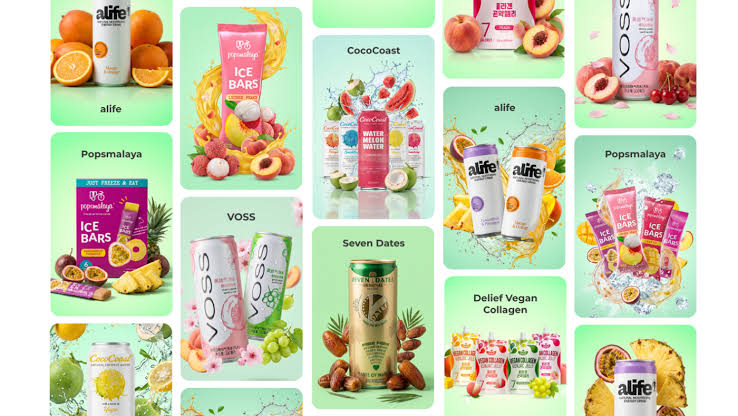
Businesses looking to Buy FMCG Products in Bulk Europe need more than access to large quantities of stock. Successful wholesale purchasing depends on choosing the right products, working with dependable suppliers, understanding customer demand, managing inventory carefully, and maintaining commercially viable margins.
Fast-moving consumer goods are purchased frequently and can include beverages, snacks, coffee, tea, baby care products, ice cream, frozen products, packaged foods, personal care products, household items, and many other everyday essentials.
For supermarkets, convenience stores, wholesalers, distributors, hospitality businesses, online retailers, and other B2B buyers, bulk purchasing can make sourcing more efficient while improving product availability. However, buying large quantities without proper planning can create excessive inventory, storage problems, cash-flow pressure, or unnecessary waste.
IFT Wholesale supports businesses seeking dependable FMCG sourcing solutions across European markets. Our product portfolio covers multiple categories and helps commercial buyers source recognised consumer products through professional wholesale relationships.
This guide explains how to Buy FMCG Products in Bulk Europe, what to consider before placing a wholesale order, how to compare suppliers, how to calculate realistic quantities, and how to build a more efficient B2B purchasing strategy.
What Does Buying FMCG Products in Bulk Mean?
Buying in bulk means purchasing products in commercial quantities rather than individual retail units.
For FMCG businesses, bulk purchasing may involve:
- Cases
- Cartons
- Multipacks
- Pallets
- Large wholesale quantities
- Repeat commercial orders
The exact order size depends on:
- Product type
- Supplier
- Brand
- Packaging
- Business size
- Storage capacity
- Destination
- Customer demand
Businesses that Buy FMCG Products in Bulk Europe typically do so because they intend to resell, distribute, or use those products commercially.
Why Businesses Buy FMCG Products in Bulk
Bulk purchasing can provide several important advantages when managed correctly, buy FMCG products, buy bulk FMCG, wholesale FMCG products, bulk FMCG Europe, FMCG wholesale Europe, wholesale FMCG online, B2B FMCG wholesale, FMCG supplier Europe, FMCG distributors Europe, FMCG products suppliers, wholesale suppliers of FMCG products, FMCG bulk supplier Europe
Better Purchasing Efficiency
Placing fewer, larger orders can reduce the administrative time required to manage constant small purchases.
Improved Product Availability
Maintaining appropriate stock levels can help businesses avoid running out of products customers purchase regularly.
Stronger Wholesale Pricing Opportunities
Commercial quantities may offer more attractive purchasing economics than buying products in small amounts, buy bulk FMCG.
Easier Distribution Planning
Wholesalers and distributors often need enough stock to supply several customers at the same time.
Support for Business Growth
As sales increase, businesses may need larger inventories to maintain reliable service.
However, buying more stock is not automatically better.
The right quantity depends on actual demand and the operational capacity of the business, buy bulk FMCG.
Which Businesses Buy FMCG Products in Bulk?
Bulk FMCG sourcing can support many types of businesses.
These include:
- Supermarkets
- Grocery stores
- Convenience stores
- Discount retailers
- Wholesale distributors
- Cash and Carry businesses
- Hotels
- Restaurants
- Cafés
- Catering companies
- Online retailers
- Importers
- Exporters
- Regional wholesalers
Each business type has different purchasing needs.
For example, a supermarket may require high volumes across many categories, while a specialist retailer may purchase larger quantities of only a few selected products, wholesale FMCG products.
Popular FMCG Categories for Bulk Purchasing
Businesses can purchase products across many different FMCG categories.
IFT Wholesale supplies commercial customers with access to several important product groups, wholesale FMCG products.
Wholesale Beverages
Beverages are among the most frequently purchased FMCG products and can generate consistent demand throughout the year.
Popular wholesale beverage categories include:
- Soft drinks
- Bottled water
- Juices
- Energy drinks
- Sports drinks
- Carbonated beverages
- Other packaged drinks
Businesses looking for a wider product selection can explore our Wholesale Beverages Europe range.
Bulk beverage purchasing can be useful for supermarkets, convenience stores, wholesalers, hotels, restaurants, cafés, and hospitality businesses, buy FMCG products.
Wholesale Coffee and Tea
Coffee and tea are essential products across retail, hospitality, and office environments.
Businesses may purchase:
- Coffee beans
- Ground coffee
- Instant coffee
- Espresso products
- Black tea
- Green tea
- Herbal tea
- Fruit tea
- Speciality tea
Our Wholesale Coffee and Tea Europe range supports businesses seeking quality hot beverage products in commercial quantities.
Coffee and tea can be particularly suitable for repeat purchasing because they are consumed regularly by both households and commercial customers, buy FMCG products.
Wholesale Snacks
Snack products are another strong FMCG category for bulk purchasing.
Products may include:
- Crisps
- Chips
- Biscuits
- Cookies
- Chocolate
- Confectionery
- Healthy snacks
- Grab-and-go products
Retailers, supermarkets, vending businesses, hospitality companies, and wholesalers can all benefit from maintaining suitable snack inventory.
Businesses interested in this category can explore our Wholesale Snacks Europe range.
Wholesale Baby Care Products
Baby care products are frequently purchased by families and can be an important category for supermarkets, pharmacies, specialist retailers, and distributors.
Products can include:
- Baby formula
- Baby food
- Diapers
- Baby wipes
- Baby toiletries
- Baby skincare
- Infant essentials
Businesses can explore Wholesale Baby Care Products Europe for more information about available product categories.
Bulk purchasing in baby care should be planned carefully because product demand, pack sizes, and shelf life can vary considerably, buy FMCG products.
Wholesale Ice Cream and Frozen Products
Frozen products can create attractive opportunities for retailers, food service businesses, and hospitality companies.
Products can include:
- Ice cream
- Family tubs
- Multipacks
- Frozen desserts
- Gelato
- Sorbet
- Individual frozen treats
Our Wholesale Ice Cream Europe range supports businesses interested in frozen FMCG sourcing.
Before placing larger orders, businesses must ensure they have suitable temperature-controlled storage and handling.
How to Choose Products Before Buying in Bulk
One of the biggest mistakes in wholesale purchasing is assuming that a larger product range automatically creates more sales.
Businesses should purchase according to genuine customer demand.
Before placing a bulk order, ask:
- Which products already sell well?
- Which brands do customers request?
- Which categories generate repeat purchases?
- What pack sizes perform best?
- Are products seasonal?
- How quickly does existing stock sell?
- What price points suit customers?
- Is there enough storage space?
These questions help businesses avoid purchasing inventory that may sit unsold for long periods.
Calculate Realistic Product Demand
Demand forecasting is one of the most important parts of bulk purchasing.
Imagine a retailer sells 100 units of a product each month.
Purchasing 1,000 units may appear attractive if the unit price is lower, but the business must consider how long those products will remain in inventory.
Important data can include:
- Weekly sales
- Monthly sales
- Seasonal trends
- Promotional demand
- Existing inventory
- Customer orders
Businesses that Buy FMCG Products in Bulk Europe should base quantities on data rather than assumptions whenever possible.
Understand Minimum Order Quantities
Many wholesale suppliers operate with minimum order quantities, often referred to as MOQ.
An MOQ may apply to:
- Individual products
- Cases
- Brands
- Order value
- Pallets
- Shipments
Minimum quantities can affect whether a supplier is suitable for a particular business.
A small independent retailer and a large distributor may have very different requirements.
Before requesting a wholesale quotation, ask about:
- Minimum quantities
- Available pack sizes
- Case quantities
- Product availability
- Order value requirements
Understanding these details helps businesses plan orders more effectively.
Compare Wholesale Pricing Properly
Businesses naturally want competitive pricing when purchasing in bulk.
However, comparing only the unit cost can be misleading.
The true cost of a wholesale order may also include:
- Transportation
- Warehousing
- Handling
- Storage
- Insurance
- Customs or administrative costs where applicable
- Product losses
- Unsold inventory
A slightly higher wholesale price may still represent better overall value if the supplier offers more reliable stock, better product availability, efficient logistics, or stronger service.
Protect Your Profit Margins
Profit margin is the difference between what a business pays for a product and what it earns when the product is sold, after considering relevant costs.
When evaluating a bulk purchase, consider:
- Wholesale cost
- Expected selling price
- Logistics
- Storage
- Taxes
- Marketplace fees
- Payment processing
- Promotions
- Product losses
Retailers should avoid assuming that low purchase prices automatically mean high profitability.
A product needs sufficient demand and commercially viable selling conditions.
Check Product Shelf Life
Shelf life is especially important for food and beverage products.
Before placing a large order, consider how quickly the products are likely to sell.
Important information can include:
- Expiration date
- Best-before date
- Product storage instructions
- Expected turnover
- Current inventory
- Seasonal demand
Purchasing excessive quantities of short-dated products can create unnecessary risk.
For this reason, businesses should align bulk order quantities with realistic sales projections.
Storage Capacity Matters
Bulk purchasing requires suitable storage.
Before ordering larger quantities, consider:
- Warehouse space
- Shelving
- Pallet capacity
- Temperature
- Humidity
- Product separation
- Frozen storage
- Security
If inventory cannot be stored correctly, product quality may be affected.
Storage costs should therefore be considered when evaluating a wholesale opportunity.
Manage Cash Flow Carefully
Large wholesale orders can tie up significant amounts of working capital.
Businesses should avoid putting too much cash into inventory that may take several months to sell.
A balanced purchasing strategy should consider:
- Available cash
- Expected sales
- Supplier payment terms
- Inventory turnover
- Other operating costs
- Upcoming expenses
Successful bulk buying is about finding the right balance between stock availability and financial flexibility.
Buy Bulk FMCG for Supermarkets
Supermarkets may purchase substantial quantities because they serve many customers across numerous product categories.
Bulk requirements can include:
- Beverages
- Snacks
- Coffee
- Tea
- Baby care
- Frozen food
- Household goods
- Personal care products
Supermarkets need to maintain enough inventory to avoid empty shelves while ensuring stock continues to move efficiently.
Working with a dependable FMCG Supplier Europe can simplify purchasing across multiple categories.
Buy Bulk FMCG for Convenience Stores
Convenience stores typically have less storage and shelf space than supermarkets.
This means bulk purchasing must be more selective.
Strong categories may include:
- Drinks
- Crisps
- Chocolate
- Confectionery
- Biscuits
- Coffee
- Everyday essentials
The objective should be to keep fast-selling items available without overloading limited storage space.
Buy Bulk FMCG for Wholesalers
Wholesalers often purchase larger quantities because they resell products to multiple commercial customers.
They may require:
- Pallet quantities
- Mixed product ranges
- Recognised brands
- Reliable replenishment
- Competitive commercial pricing
Wholesale businesses should understand the purchasing behaviour of their own customers before increasing order quantities.
Our guide to FMCG Wholesale Europe provides a broader overview of wholesale sourcing strategies for retailers and distributors.
Buy Bulk FMCG for Distributors
Distributors often purchase larger volumes because they may supply numerous retailers or regional customers.
They need to consider:
- Customer orders
- Market demand
- Product turnover
- Logistics
- Inventory capacity
- Resale pricing
Businesses looking to understand distribution models in greater detail can read our FMCG Distributors Europe guide.
Buy FMCG Products for Online Retail
E-commerce businesses can also purchase FMCG products in commercial quantities.
Online businesses may sell through:
- Independent websites
- Online marketplaces
- B2B portals
- Specialist e-commerce stores
However, online retailers should carefully calculate:
- Fulfilment costs
- Packaging
- Storage
- Marketplace fees
- Shipping
- Returns
- Payment processing
The purchase price is only one part of the total commercial calculation.
Should You Buy FMCG Wholesale Online?
Businesses increasingly search for wholesale FMCG online because digital sourcing can simplify product research and supplier discovery.
Online wholesale sourcing may help businesses:
- Discover additional suppliers
- Compare product categories
- Submit B2B enquiries
- Research brands
- Explore new markets
However, businesses should still verify potential suppliers carefully.
Evaluate:
- Company identity
- Contact details
- Product information
- Wholesale process
- Commercial terms
- Customer support
- Documentation
Online convenience should not replace normal business due diligence.
How to Find Wholesale Suppliers of FMCG Products
Businesses can source FMCG products through:
- Manufacturers
- Wholesalers
- Distributors
- Importers
- Exporters
- B2B suppliers
- Brand networks
The best option depends on the products, quantities, location, and commercial model.
When comparing wholesale suppliers of FMCG products, consider:
- Product range
- Brands
- MOQ
- Pricing
- Availability
- Logistics
- Communication
- Documentation
- Reliability
Our FMCG Supplier Europe guide explains supplier selection in greater detail.
Wholesale Supplier vs Distributor for Bulk FMCG
Businesses may source products from either wholesale suppliers or distributors.
A wholesaler generally purchases products in commercial quantities and resells them to other businesses.
A distributor may have specific relationships with manufacturers or brands.
For buyers, the most important questions are:
- Can the company supply the products required?
- Are quantities suitable?
- Is pricing viable?
- Can stock be replenished?
- Can logistics be supported?
- Is communication professional?
The label used by the business matters less than its ability to meet your commercial requirements.
B2B FMCG Wholesale
B2B FMCG wholesale involves supplying fast-moving consumer goods from one business to another.
Typical customers include:
- Retailers
- Supermarkets
- Wholesalers
- Distributors
- Hospitality companies
- Online sellers
B2B transactions often involve larger quantities and more complex requirements than consumer purchases.
Important considerations may include:
- Commercial pricing
- Wholesale quantities
- Product documentation
- Logistics
- Repeat supply
- Business relationships
Our upcoming guide to B2B FMCG Wholesale Europe will examine this area in greater depth.
Buying Recognised FMCG Brands in Bulk
Brand recognition can make products easier to sell because customers may already understand and trust them.
However, businesses should not purchase a brand simply because it is well known.
Evaluate:
- Local demand
- Competitive pricing
- Existing retailers
- Product turnover
- Customer preferences
A well-known product that sells slowly in your target market may still be a poor inventory decision.
Consider Seasonal Demand
Some FMCG products experience significant seasonal changes.
For example:
- Ice cream may experience stronger demand during warmer periods.
- Certain beverages may sell differently across seasons.
- Chocolate and confectionery can experience holiday-related demand.
- Gift products may perform strongly around specific events.
Bulk buyers should adjust purchasing quantities according to expected seasonal demand instead of ordering the same amount throughout the year.
Cross-Border Bulk FMCG Purchasing in Europe
Businesses sourcing products across European borders may encounter additional requirements.
These can involve:
- Transport
- Labelling
- Product documentation
- Food safety
- Packaging
- Storage
- Taxation
- Market-specific rules
Businesses should verify all requirements applicable to the product and destination.
For official food-related information, consult European Commission Food Safety resources.
Common Bulk Buying Mistakes
Bulk purchasing can improve efficiency, but several mistakes should be avoided.
Buying Based Only on Low Price
Cheap inventory provides little value if it cannot be sold.
Ignoring Product Demand
Always consider actual customer behaviour.
Ordering Too Much
Excess inventory ties up working capital and warehouse space.
Ignoring Shelf Life
Short-dated products can become a financial risk.
Underestimating Storage Costs
More inventory requires more space.
Ignoring Logistics Costs
Transportation can significantly affect total purchasing cost.
Depending on a Single Product
Diversification can reduce reliance on one product or category.
How to Create a Smarter Bulk Buying Strategy
A structured purchasing process can improve decision-making.
Step 1 – Analyse Sales
Identify products with consistent demand.
Step 2 – Review Existing Inventory
Avoid purchasing products already overstocked.
Step 3 – Forecast Demand
Consider normal sales and seasonal changes.
Step 4 – Compare Suppliers
Evaluate pricing, availability, brands, and service.
Step 5 – Calculate Total Costs
Include transportation, storage, fees, and other relevant expenses.
Step 6 – Choose Appropriate Quantities
Purchase according to realistic turnover.
Step 7 – Monitor Performance
Review how quickly products sell and adjust future orders.
This process becomes increasingly valuable as a business grows.
Why Choose IFT Wholesale for Bulk FMCG Products?
IFT Wholesale supports B2B buyers seeking FMCG sourcing opportunities across European markets.
Our categories include:
- Beverages
- Coffee and tea
- Snacks
- Baby care
- Ice cream
- Frozen products
- Other FMCG products
Businesses work with IFT Wholesale for access to:
- Multiple product categories
- Recognised consumer brands
- Wholesale sourcing opportunities
- Professional B2B support
- Competitive commercial options
- Reliable product sourcing
- Long-term business relationships
Whether you operate a supermarket, retail store, wholesale company, distribution network, hospitality business, or online store, our team can discuss your sourcing requirements.
How to Request a Bulk FMCG Quote
Before contacting a supplier, prepare basic information about your requirements.
Include:
- Product category
- Brand
- Product name
- Required quantity
- Destination
- Business type
- Purchasing frequency
Providing this information can make the quotation process faster and more accurate.
Businesses interested in working with IFT Wholesale can visit our Contact Us page and submit their product requirements.
Related Blog Posts:
Buy FMCG Products in Bulk Europe
Frequently Asked Questions
1. Where can businesses buy FMCG products in bulk in Europe?
Businesses can source bulk FMCG products from manufacturers, wholesalers, distributors, importers, and specialist B2B suppliers. IFT Wholesale supports commercial customers seeking FMCG sourcing opportunities for European markets.
2. What FMCG products can businesses buy in bulk?
Bulk FMCG categories can include beverages, coffee, tea, snacks, confectionery, baby care products, ice cream, frozen products, packaged foods, household goods, and other everyday consumer products.
3. Is buying FMCG products in bulk cheaper?
Bulk purchasing can provide more efficient commercial pricing in some situations, but businesses should calculate the full cost, including transport, storage, product shelf life, fees, and inventory risk before deciding whether an order offers good value.
4. How much FMCG stock should a retailer buy?
The appropriate quantity depends on historical sales, expected demand, storage capacity, product shelf life, available working capital, and purchasing frequency. Businesses should avoid ordering quantities that significantly exceed realistic sales.
5. Does IFT Wholesale supply bulk FMCG products across Europe?
IFT Wholesale works with B2B customers seeking FMCG products for European markets. Businesses can contact the company with their required products, quantities, and destination details to discuss available wholesale opportunities.
Within the cross-border purchasing section, include an authoritative external reference to:
European Commission – Food Safety
This gives businesses access to official information regarding food-related requirements in European markets.
Final Thoughts
Learning how to Buy FMCG Products in Bulk Europe effectively can help retailers, wholesalers, distributors, hospitality businesses, and online sellers improve purchasing efficiency while maintaining dependable product availability.
However, successful bulk buying does not simply mean purchasing the largest possible quantity at the lowest price.
Businesses need to evaluate:
- Customer demand
- Product turnover
- Wholesale pricing
- Supplier reliability
- Shelf life
- Storage
- Logistics
- Working capital
- Profit margins
IFT Wholesale supports B2B customers seeking multiple FMCG categories, including beverages, coffee and tea, snacks, baby care products, ice cream, frozen products, and other everyday consumer goods.
By connecting this article with our FMCG Wholesale Europe, FMCG Supplier Europe, and FMCG Distributors Europe guides, businesses can build a clearer understanding of wholesale sourcing, supplier selection, distribution, and bulk purchasing.
Whether you operate a supermarket, wholesale business, retail store, distribution network, hospitality company, or online shop, IFT Wholesale can help you explore opportunities to Buy FMCG Products in Bulk Europe through professional B2B sourcing solutions.

[…] planning larger orders should also read our Buy FMCG Products in Bulk Europe […]
[…] businesses should Buy FMCG Products in Bulk Europe only when the quantity is supported by […]
[…] that Buy FMCG Products in Bulk Europe should use demand forecasts before committing to large […]