 Skip to content

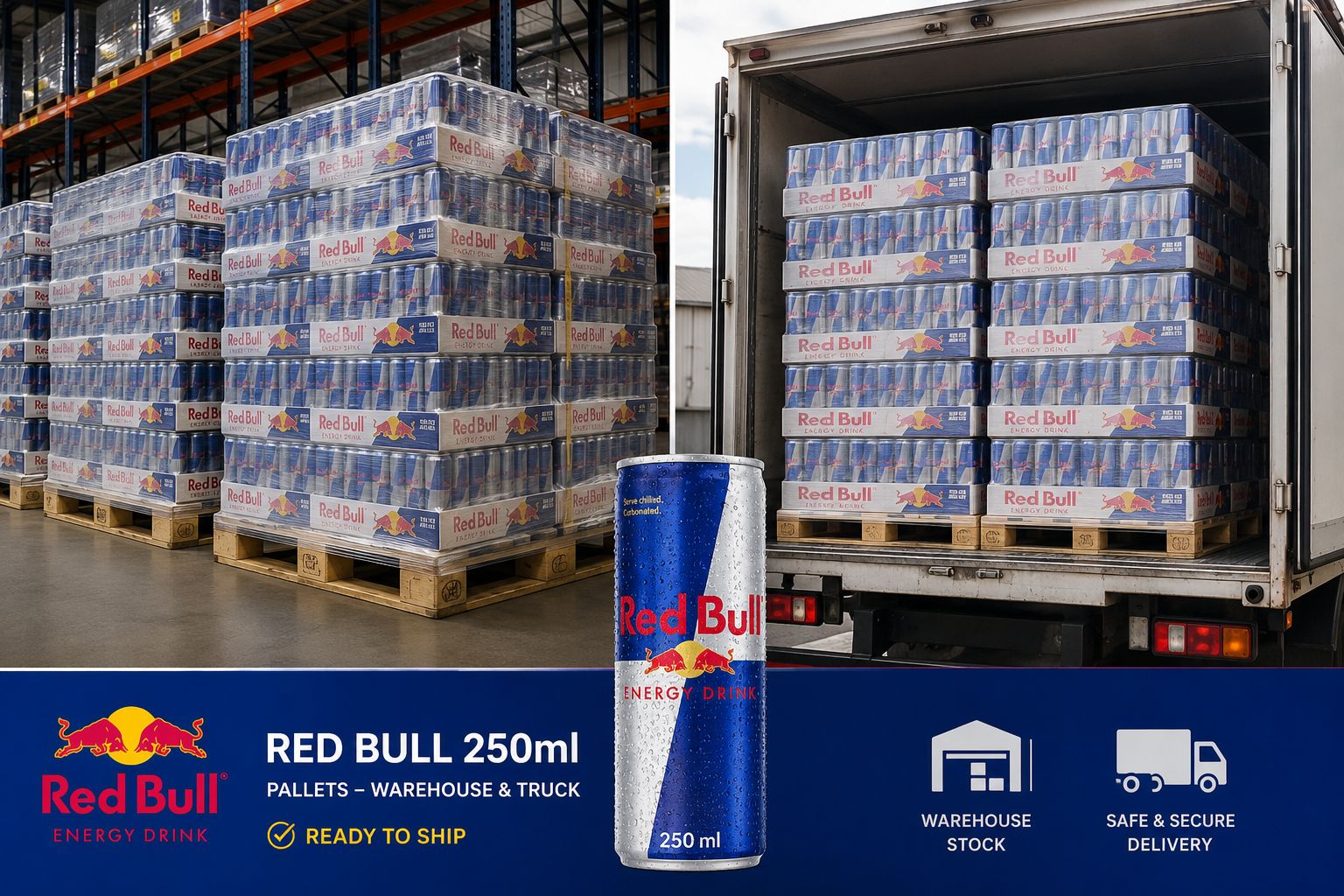
Finding the right FMCG Supplier Europe businesses can depend on is an important part of building a reliable retail, wholesale, or distribution operation. Fast-moving consumer goods are purchased every day, which means businesses need dependable access to products, recognised brands, competitive wholesale terms, and consistent supply.
From beverages and snacks to coffee, tea, baby care products, ice cream, and other consumer goods, FMCG businesses often manage hundreds or even thousands of individual products. Working with the right wholesale partner can simplify this process while helping businesses maintain the inventory their customers expect.
IFT Wholesale supplies FMCG products for businesses operating across European markets. We work with retailers, wholesalers, distributors, hospitality businesses, and other B2B customers looking for professional wholesale sourcing solutions.
This guide explains what to look for when choosing an FMCG Supplier Europe, how suppliers support different types of businesses, which factors should influence supplier selection, and how to build stronger long-term wholesale relationships.
What Is an FMCG Supplier?
FMCG stands for Fast-Moving Consumer Goods. These are products that generally sell quickly and are purchased frequently by consumers.
An FMCG supplier provides these products to other businesses within the supply chain.
Customers may include:
- Supermarkets
- Convenience stores
- Grocery stores
- Discount retailers
- Wholesale distributors
- Hospitality businesses
- Online retailers
- Importers
- Exporters
- Food service companies
The exact role of an FMCG supplier can vary.
Some suppliers specialise in a single category, while others provide a broad portfolio covering multiple consumer product groups.
A diversified FMCG Supplier Europe can make purchasing easier for businesses that would otherwise need to manage relationships with numerous individual suppliers.
What Products Do FMCG Suppliers Offer?
The FMCG industry covers an enormous variety of consumer products.
Depending on the supplier, available categories can include:
- Beverages
- Coffee
- Tea
- Snacks
- Biscuits
- Chocolate
- Confectionery
- Baby care
- Ice cream
- Frozen products
- Personal care
- Household goods
- Packaged foods
- Other everyday consumer products
IFT Wholesale provides businesses with access to multiple FMCG categories, helping customers simplify wholesale procurement.
Businesses looking for a broader overview of these categories should also explore our wholesale FMCG products page.
Why Choosing the Right FMCG Supplier Matters
A supplier can directly influence how efficiently a retail or distribution business operates.
If popular products are frequently unavailable, customers may purchase them elsewhere. If wholesale costs are too high, margins can become difficult to maintain. If communication is poor, solving order or supply issues becomes unnecessarily complicated.
Choosing the right FMCG Supplier Europe can help improve:
- Product availability
- Inventory planning
- Purchasing efficiency
- Wholesale costs
- Product variety
- Customer satisfaction
- Supply continuity
- Business scalability
The lowest-priced supplier is therefore not automatically the best wholesale partner.
Businesses should evaluate the complete service being offered.
1. Evaluate the FMCG Product Range
One of the first considerations should be product selection.
A broad FMCG portfolio can allow a retailer or distributor to source several categories through one supplier rather than creating a separate purchasing relationship for every product group.
For example, a business may require:
- Beverages
- Snacks
- Coffee and tea
- Baby care products
- Ice cream
- Frozen foods
Working with fewer dependable suppliers can simplify communication, purchasing, account management, and inventory planning.
However, product range alone is not enough. The available products must also match the needs of your customers.
2. Look for Reliable Product Availability
Availability is particularly important in FMCG because products generally move quickly.
Imagine a supermarket that regularly sells a popular beverage, snack, or baby care product. If that item repeatedly becomes unavailable, customers may begin purchasing it from competitors.
When evaluating an FMCG Supplier Europe, businesses should consider whether the supplier can provide dependable access to frequently required products.
Questions to consider include:
- How frequently does stock change?
- Are popular products regularly available?
- Can the supplier provide availability information?
- How are unavailable products handled?
- Can repeat orders be supported?
Consistent sourcing helps businesses maintain more reliable inventories.
3. Compare Wholesale Pricing Carefully
Price is naturally important when purchasing FMCG products for resale.
Retailers and distributors need sufficient margins between their acquisition costs and selling prices.
However, comparing suppliers purely on price can create problems.
A cheaper offer may provide little value if it comes with:
- Unreliable supply
- Poor communication
- Inconsistent products
- Unexpected logistics costs
- Limited documentation
- Long delays
Businesses should compare the overall commercial value offered by each supplier.
The objective is to achieve competitive purchasing costs while maintaining dependable supply and product quality.
4. Consider Brand Selection
Brand recognition has a significant influence on many FMCG purchasing decisions.
Consumers often return to familiar products because they already know what to expect in terms of quality, flavour, packaging, or performance.
For retailers, stocking recognised brands can provide several advantages:
- Existing consumer awareness
- Easier product recognition
- Repeat purchasing
- Established market demand
- Stronger shelf appeal
A good European FMCG supplier should provide product options that align with the buyer’s market and customer preferences.
Businesses should also monitor changing consumer trends instead of relying exclusively on historically popular brands.
5. Check Supplier Transparency
Transparency is an important characteristic of a professional B2B supplier.
Before establishing a long-term wholesale relationship, businesses should understand who they are purchasing from and how the commercial process works.
Useful information may include:
- Company information
- Contact details
- Product information
- Wholesale enquiry process
- Available categories
- Commercial terms
- Shipping information
- Relevant documentation
Clear communication helps reduce uncertainty and allows buyers to make more informed purchasing decisions.
Businesses interested in learning more about our company can visit About IFT Wholesale.
6. Understand Minimum Order Requirements
Wholesale suppliers may establish minimum quantities or commercial order requirements.
These can vary depending on:
- Product
- Brand
- Packaging
- Availability
- Order value
- Destination
- Logistics
Before requesting a quotation, businesses should understand approximately how much inventory they require.
Purchasing significantly more than necessary can create excess stock, while ordering too little may increase the risk of running out of popular products.
The right purchasing quantity should reflect actual sales demand and inventory capacity.
7. Consider Product Shelf Life
Shelf life is particularly important when purchasing food, beverages, snacks, baby food, and other time-sensitive FMCG products.
Businesses should plan orders according to realistic sales volumes.
Important considerations include:
- Product expiration dates
- Expected sales rate
- Warehouse conditions
- Delivery timing
- Seasonal demand
- Existing inventory
This becomes even more important when businesses buy FMCG products in bulk.
Large orders can provide purchasing advantages, but only when the inventory can be sold within an appropriate timeframe.
8. Evaluate Logistics and Distribution
Wholesale sourcing does not end when an order is placed.
Products still need to reach the buyer efficiently.
Logistics requirements can vary significantly depending on the product.
For example, standard packaged goods and frozen products have very different handling requirements.
Businesses should consider:
- Transport requirements
- Delivery planning
- Packaging
- Product handling
- Storage
- Destination
- Order quantities
- Cross-border requirements
An experienced FMCG Supplier Europe should understand the importance of maintaining an efficient supply process.
FMCG Supplier for Supermarkets
Supermarkets manage extensive product ranges and require consistent inventory across numerous categories.
A supermarket may need regular access to:
- Soft drinks
- Water
- Coffee
- Tea
- Biscuits
- Chocolate
- Crisps
- Confectionery
- Baby care products
- Frozen products
Working with a diversified supplier can make procurement more manageable.
IFT Wholesale provides FMCG sourcing opportunities across several important categories, allowing supermarkets and other retailers to explore multiple product groups through one B2B wholesale company.
FMCG Supplier for Convenience Stores
Convenience stores generally operate with less shelf space than large supermarkets, making product selection particularly important.
Fast-moving products such as:
- Beverages
- Snacks
- Chocolate
- Biscuits
- Confectionery
- Coffee
- Everyday essentials
can form an important part of convenience retail sales.
Instead of stocking every available product, operators should focus on products that match customer demand and generate consistent turnover.
A reliable wholesale FMCG supplier can help businesses access recognised products while maintaining flexible inventory planning.
FMCG Supplier for Discount Retailers
Discount retailers depend heavily on purchasing efficiency.
Customers expect attractive pricing, while retailers still need commercially sustainable margins.
This makes wholesale sourcing particularly important.
Discount retailers should evaluate:
- Product cost
- Pack sizes
- Consumer demand
- Available quantities
- Shelf life
- Logistics costs
- Expected margins
The right supplier relationship can help discount retailers identify opportunities while maintaining a competitive product range.
FMCG Supplier for Online Retailers
E-commerce has created additional opportunities for FMCG businesses.
Online retailers can sell products without depending entirely on traditional physical shelf space, allowing them to offer broader selections or target specialist audiences.
However, online FMCG businesses still need to manage:
- Product availability
- Inventory
- Packaging
- Fulfilment
- Pricing
- Delivery costs
- Product information
A dependable FMCG Supplier Europe can provide the sourcing foundation required to support an expanding online catalogue.
FMCG Supplier for Hospitality Businesses
Hotels, cafés, restaurants, catering companies, and other hospitality businesses consume large quantities of FMCG products.
Common requirements include:
- Coffee
- Tea
- Beverages
- Snacks
- Frozen desserts
- Packaged food
- Guest products
Hospitality businesses may purchase products differently from traditional retailers because many items are used internally rather than resold in their original format.
Consistent availability remains essential.
Wholesale Beverages for European Businesses
Beverages are one of the core categories within FMCG wholesale.
Retailers may require:
- Soft drinks
- Water
- Juices
- Energy drinks
- Sports drinks
- Other packaged beverages
IFT Wholesale provides businesses with access to Wholesale Beverages Europe products suitable for retail, distribution, and hospitality requirements.
Beverage purchasing should consider consumer demand, packaging format, storage capacity, and expected turnover.
Wholesale Coffee and Tea
Coffee and tea remain important everyday consumer products throughout Europe.
Businesses may require:
- Coffee beans
- Ground coffee
- Instant coffee
- Espresso products
- Black tea
- Green tea
- Herbal tea
- Speciality tea
Our Wholesale Coffee and Tea Europe range supports retailers, hospitality businesses, wholesalers, and distributors seeking quality hot beverage products.
Wholesale Snacks
Snacks are another high-turnover FMCG category.
IFT Wholesale provides access to Wholesale Snacks Europe, including products across categories such as:
- Crisps
- Biscuits
- Chocolate
- Confectionery
- Health-focused snacks
- Grab-and-go products
Snack selection should be based on customer demand, price point, packaging, and expected turnover.
Wholesale Baby Care Products
Baby care is a category where consumers often place significant importance on product and brand familiarity.
The category can include:
- Baby formula
- Baby food
- Diapers
- Wipes
- Toiletries
- Skincare
- Infant essentials
Businesses sourcing this category can explore Wholesale Baby Care Products Europe through IFT Wholesale.
Wholesale Ice Cream and Frozen Products
Frozen products require additional attention because temperature-controlled storage and handling may be necessary.
Our Wholesale Ice Cream Europe category includes ice cream and frozen dessert opportunities for supermarkets, retailers, hospitality businesses, and distributors.
Businesses should ensure that appropriate frozen storage and logistics arrangements are available before purchasing these products.
FMCG Supplier vs FMCG Distributor
Businesses frequently encounter both terms while researching wholesale partners.
Although they can overlap, they do not always mean exactly the same thing.
FMCG Supplier
An FMCG supplier is a broad term for a company supplying fast-moving consumer goods to another business.
FMCG Distributor
A distributor may have specific relationships with manufacturers or brands and may distribute certain products within particular markets or territories.
FMCG Wholesaler
A wholesaler typically purchases products commercially and resells them to retailers, distributors, and other businesses.
For buyers, the terminology is less important than understanding what the company actually provides.
This topic will be covered in greater detail in our upcoming guide to FMCG Distributors Europe.
Wholesale FMCG Products and B2B Purchasing
B2B FMCG purchasing differs from normal consumer shopping.
Businesses usually need information about:
- Commercial quantities
- Wholesale prices
- Product availability
- Pack configurations
- Logistics
- Documentation
- Repeat purchasing
- Business support
This is why selecting a supplier should be viewed as a business decision rather than simply a product search.
A strong supplier relationship can support purchasing efficiency over the long term.
Should You Use One FMCG Supplier or Several?
There is no single answer for every business.
Using fewer suppliers can provide advantages such as:
- Simpler administration
- Fewer accounts
- Easier communication
- Consolidated purchasing
- Stronger supplier relationships
Using multiple suppliers can also provide benefits:
- Wider product selection
- Alternative stock sources
- Pricing flexibility
- Reduced dependence on one supplier
Many established businesses use a combination of both approaches.
They maintain strong relationships with core suppliers while keeping alternative sourcing channels available where necessary.
How to Compare FMCG Suppliers
Before choosing an FMCG Supplier Europe, create a simple comparison based on factors that actually affect your business.
Evaluate:
Product Range
Does the supplier stock categories relevant to your customers?
Availability
Can the supplier consistently provide important products?
Pricing
Are wholesale prices commercially viable?
Brands
Does the supplier offer products with suitable consumer demand?
Logistics
Can products be delivered appropriately?
Communication
Can you obtain clear answers when required?
Reliability
Does the supplier appear suitable for repeat purchasing?
Business Fit
Can the supplier support your requirements as your business grows?
This approach is more useful than selecting a company based on price alone.
Building Long-Term Relationships with FMCG Suppliers
Strong B2B relationships can improve the efficiency of future transactions.
When suppliers understand a customer’s regular requirements, communication and purchasing can become easier.
Buyers can also benefit by providing suppliers with clear information.
When making an enquiry, consider including:
- Business type
- Products required
- Brands of interest
- Approximate quantities
- Destination market
- Purchasing frequency
Providing this information allows the supplier to understand the opportunity more effectively.
Cross-Border FMCG Sourcing in Europe
Businesses operating across European markets may source products beyond their immediate domestic market.
Cross-border sourcing can expand product availability and create new commercial opportunities, but businesses must consider the regulatory and logistical requirements applicable to their products and destinations.
Considerations may include:
- Product labelling
- Food safety
- Packaging
- Documentation
- Transportation
- Storage
- Import requirements
- Tax obligations
Requirements vary by product and destination, so businesses should verify the applicable rules before completing commercial transactions.
For official guidance related to food products, businesses can consult the European Commission Food Safety resources.
Why Choose IFT Wholesale as Your FMCG Supplier?
IFT Wholesale works with B2B customers seeking dependable access to fast-moving consumer goods across Europe.
Our product categories include:
- Beverages
- Coffee and tea
- Snacks
- Baby care products
- Ice cream
- Frozen products
- Other FMCG products
Our approach focuses on helping businesses simplify sourcing while developing dependable commercial relationships.
Customers can benefit from:
- Broad product selection
- Recognised brands
- Competitive wholesale opportunities
- Professional B2B service
- Reliable sourcing
- Multiple FMCG categories
- Responsive support
- Long-term partnership opportunities
Whether you operate a retail store, supermarket, wholesale business, distribution company, hospitality operation, or e-commerce business, IFT Wholesale can discuss your FMCG sourcing requirements.
How to Contact an FMCG Supplier
Before contacting a wholesale supplier, prepare the basic information needed to discuss your requirements.
Include:
- Products required
- Preferred brands
- Estimated quantities
- Business location
- Destination market
- Purchasing frequency
You can then visit the Contact IFT Wholesale page to submit your enquiry and discuss available wholesale opportunities.
Providing detailed requirements from the beginning can make the sourcing process more efficient for both buyer and supplier.
Related Blog Posts:
Buy FMCG Products in Bulk Europe
Frequently Asked Questions
1. What is an FMCG supplier?
An FMCG supplier provides fast-moving consumer goods to retailers, wholesalers, distributors, hospitality businesses, online sellers, and other commercial customers. Products can include beverages, snacks, coffee, tea, baby care products, frozen foods, and other frequently purchased consumer goods.
2. How do I choose an FMCG supplier in Europe?
Compare suppliers based on product range, availability, brands, wholesale pricing, logistics, communication, reliability, documentation, and their ability to support repeat purchasing.
3. What products can I buy from an FMCG supplier?
Depending on the supplier, businesses can source beverages, coffee, tea, snacks, confectionery, baby care products, ice cream, frozen foods, personal care items, household products, and other consumer goods.
4. Can retailers buy directly from an FMCG supplier?
Many FMCG suppliers work directly with commercial customers such as supermarkets, convenience stores, online retailers, wholesalers, distributors, and hospitality businesses. Purchasing requirements and minimum quantities vary by supplier and product.
5. Does IFT Wholesale supply FMCG products across Europe?
IFT Wholesale works with B2B customers seeking FMCG sourcing solutions for European markets. Businesses can contact the IFT Wholesale team with their required products, quantities, and destination to discuss available wholesale opportunities.
Final Thoughts
Finding the right FMCG Supplier Europe businesses can rely on requires more than comparing wholesale prices. Product selection, stock availability, brand demand, logistics, communication, documentation, and supplier reliability all influence the quality of a long-term B2B relationship.
Retailers and distributors should choose suppliers according to their actual business requirements and customer demand rather than simply purchasing the largest possible product range.
IFT Wholesale supports businesses seeking beverages, coffee and tea, snacks, baby care products, ice cream, frozen products, and other fast-moving consumer goods for European markets.
By combining multiple FMCG categories with professional B2B support, we aim to help customers simplify procurement and build dependable supply relationships.
Businesses looking for a reliable FMCG Supplier Europe can explore our wholesale FMCG products and contact IFT Wholesale to discuss product requirements, quantities, and available sourcing opportunities.
